
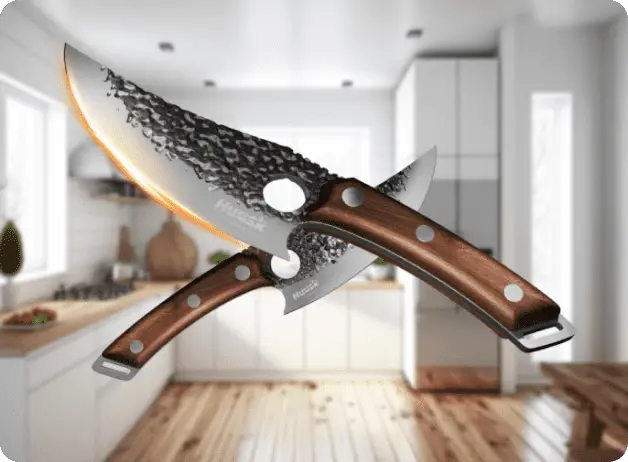
Discover the Kitchen Tool Everyone Is Raving About!
- • Precision Engineered: Sharp blade with durable craftsmanship.
- • Comfort First: Ergonomic design for effortless slicing.
- • Stylish & Strong: Elegant wood handle meets stainless steel strength.
- • Risk-Free Pick: Thousands of happy home chefs can’t be wrong.
- • Today’s Deal: Just $29.95 instead of $99.85 — limited-time offer!
This post may include affiliate links — learn more here .
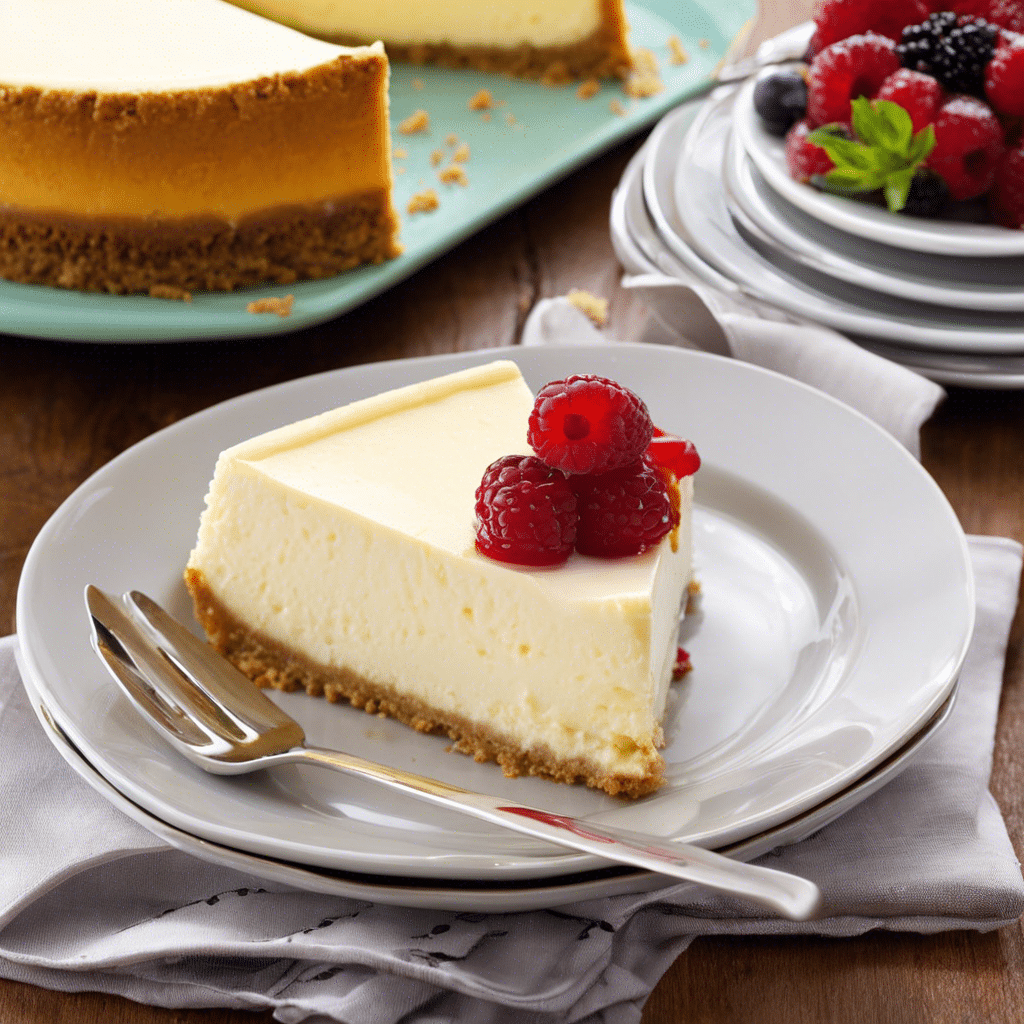
There’s something undeniably enchanting about the allure of a well-made cheesecake. This creamy dessert, with its rich and velvety texture, has been satisfying sweet tooths for centuries. The magic of cheesecake lies in its perfect balance of flavors and textures — the creamy, tangy filling harmoniously combined with a sweet and slightly crunchy biscuit crust. Whether you’re enjoying a slice at a fancy restaurant or indulging at home, cheesecake’s universal appeal is undeniable. It’s a dessert that transcends cultures and cuisines, finding a place in the hearts of dessert lovers worldwide.
The origins of cheesecake can be traced back to ancient Greece, where it was served to athletes during the first Olympic Games in 776 BC. The Greeks considered it a good source of energy, and it was made using simple ingredients like cheese, honey, and wheat flour. As the recipe traveled across Europe, it evolved with the addition of eggs and other ingredients, finally arriving in America with the immigrants. The modern version, as we know it today, gained popularity in the 19th century with the introduction of cream cheese, which gave the cheesecake its signature creamy texture. Over time, various cultures have put their spin on the classic recipe, resulting in a myriad of cheesecake variations, from Japanese cotton cheesecake to Italian ricotta-based versions.
One of the most crucial elements of a good cheesecake is its crust, typically made from crushed biscuits or graham crackers, combined with melted butter and sugar. This base provides the perfect contrast to the smooth filling, offering a delightful crunch with every bite. Some recipes even incorporate nuts or spices into the crust, adding an extra layer of flavor. A well-made crust should be firm enough to hold the filling but tender enough to melt in your mouth. Achieving this balance requires precision and attention to detail, ensuring the crust is neither too thick nor too thin, allowing the creamy filling to take center stage.
The filling is where the true art of cheesecake-making lies. A classic cheesecake filling is made from cream cheese, eggs, sugar, and vanilla extract. The cream cheese provides a rich and smooth texture, while the eggs help to bind the ingredients together, giving the cheesecake its structure. Sugar adds sweetness, and vanilla extract enhances the flavor profile. Some recipes may call for sour cream or heavy cream, which can add a subtle tanginess or a lighter texture to the filling. Achieving the perfect consistency is key; the filling should be thick yet pourable, ensuring it sets beautifully without cracking during baking.
While the classic cheesecake is a timeless favorite, there are countless variations to explore. From fruit-topped creations to chocolate-infused delights, the possibilities are endless. Some popular variations include New York-style cheesecake, known for its dense and creamy texture, often served plain or with a strawberry topping. There’s also the no-bake cheesecake, which offers a lighter and more airy alternative, perfect for those who prefer a less rich dessert. For the adventurous, flavors like matcha, pumpkin, or salted caramel can add a unique twist to the traditional recipe. No matter the variation, cheesecake remains a beloved dessert that continues to captivate and satisfy dessert lovers around the world.