

Discover the Kitchen Tool Everyone Is Raving About!
- • Precision Engineered: Sharp blade with durable craftsmanship.
- • Comfort First: Ergonomic design for effortless slicing.
- • Stylish & Strong: Elegant wood handle meets stainless steel strength.
- • Risk-Free Pick: Thousands of happy home chefs can’t be wrong.
- • Today’s Deal: Just $29.95 instead of $99.85 — limited-time offer!
This post may include affiliate links — learn more here .
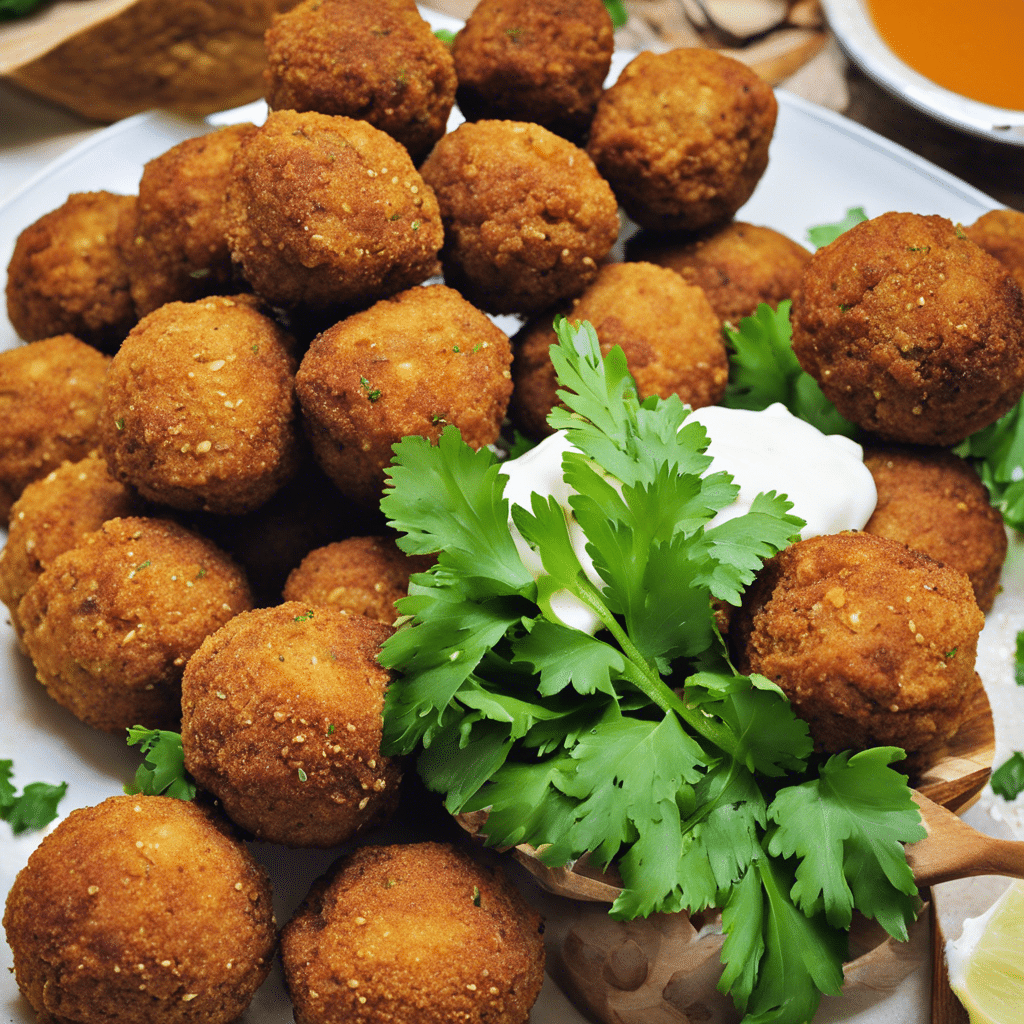
Falafel, those delightful deep-fried chickpea balls, have long transcended their Middle Eastern origins to become a beloved culinary staple worldwide. Their rise in popularity can be attributed to their versatility, rich flavor, and the increasing demand for plant-based foods. Falafel makes for a hearty meal, a quick snack, or even a satisfying addition to a salad or wrap. As their crispy exterior gives way to a tender, spiced interior, falafel offers a taste that is both comforting and exotic. Originating from the Levant region, falafel has become a symbol of cultural exchange and culinary innovation. This humble yet flavorful dish showcases the transformative power of simple ingredients when combined with a balanced mix of spices and herbs.
Chickpeas, the primary component of falafel, are not only delicious but also pack a nutritional punch. Rich in protein, fiber, and essential vitamins, chickpeas are an excellent choice for those seeking a healthy diet. When ground and mixed with ingredients like onion, garlic, parsley, cilantro, cumin, and coriander, chickpeas are transformed into a flavorful dough. This mixture is then shaped into balls or patties before being deep-fried to perfection. The result is a golden-brown exterior that encapsulates a moist and aromatic interior. Each bite of falafel offers a delightful contrast of textures and flavors, making it a favorite among food lovers worldwide. Moreover, the addition of herbs and spices not only enhances the flavor but also provides additional health benefits, such as anti-inflammatory and antioxidant properties.
The preparation of falafel varies slightly across different regions, with each adding its unique twist to the recipe. In Egypt, for example, fava beans are often used in place of chickpeas, resulting in a slightly different texture and flavor profile. Meanwhile, in Lebanon and Syria, the emphasis is often on the blend of herbs and spices, which are adjusted to suit regional tastes. This adaptability has allowed falafel to seamlessly integrate into various culinary traditions, making it a versatile dish that complements a wide array of accompaniments. Whether served in a pita with tahini sauce and fresh vegetables or as part of a mezze platter, falafel can be tailored to fit any meal or occasion. This adaptability is one reason falafel has become a staple in vegetarian and vegan diets, offering a filling and flavorful alternative to meat-based dishes.
Falafel’s global appeal is also a testament to the growing interest in plant-based diets and sustainable eating practices. As more people become aware of the environmental impact of meat consumption, dishes like falafel provide a delicious and ethical alternative. The simplicity of ingredients and ease of preparation make falafel accessible to home cooks and professional chefs alike. Furthermore, the rise of street food culture has played a significant role in popularizing falafel, with food trucks and stalls offering innovative takes on this classic dish. From falafel burgers to fusion wraps, the possibilities are endless, and each variation adds a new dimension to this age-old recipe. The enduring popularity of falafel is a reminder of how traditional foods can be reimagined and embraced in modern culinary landscapes.
In conclusion, falafel is more than just a tasty treat; it is a symbol of cultural heritage and culinary creativity. Its journey from the streets of the Middle East to tables around the world highlights the power of food to bridge cultures and bring people together. Whether enjoyed as a quick snack or a main course, falafel continues to captivate the taste buds of those who seek flavorful and wholesome plant-based options. As we celebrate the diversity of our global food landscape, falafel stands out as a delicious testament to the rich tapestry of culinary traditions that shape our world. By embracing dishes like falafel, we not only savor their flavors but also honor the cultures and histories that have brought them to our plates.