
Discover the Kitchen Tool Everyone Is Raving About!
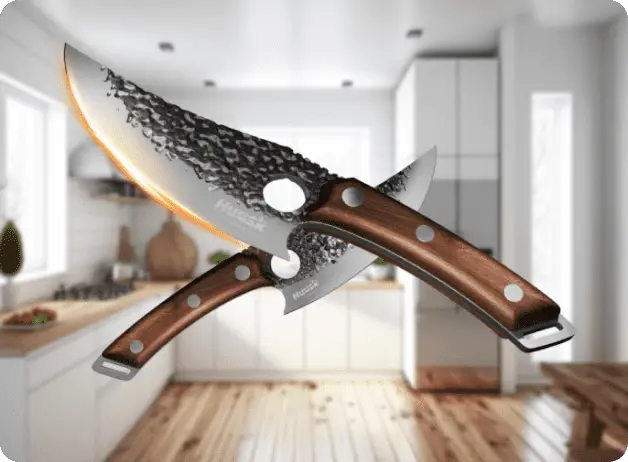
- • Precision Engineered: Sharp blade with durable craftsmanship.
- • Comfort First: Ergonomic design for effortless slicing.
- • Stylish & Strong: Elegant wood handle meets stainless steel strength.
- • Risk-Free Pick: Thousands of happy home chefs can’t be wrong.
- • Today’s Deal: Just $29.95 instead of $99.85 — limited-time offer!
This post may include affiliate links — learn more here .
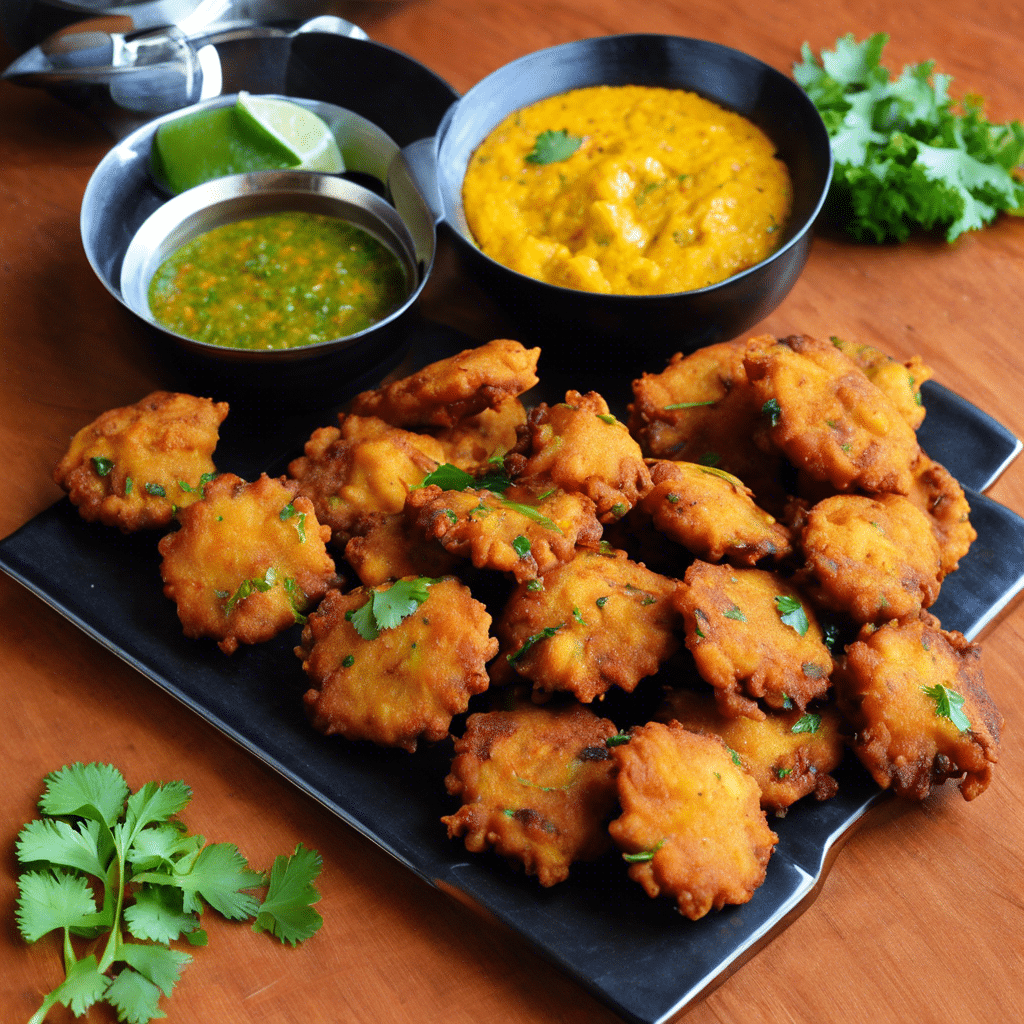
In the heart of South Asian cuisine lies a beloved delicacy known as pakoras, or crispy fritters, which have won the hearts of millions with their crunchy exterior and soft, flavorful interior. These delightful snacks are a staple in Indian, Pakistani, and Bangladeshi households, often enjoyed with a steaming cup of chai. The magic of pakoras lies in their simplicity, with a basic batter of gram flour, spices, and water, which wraps around an array of vegetables, creating a symphony of textures and flavors. Each bite delivers a burst of warmth and spice, making them an irresistible treat. Whether served as an appetizer, a snack, or even a side dish, pakoras have a universal appeal that transcends cultural boundaries.
The ingredients for pakoras are as diverse as the regions they hail from. At the core is gram flour, also known as besan, which provides the essential base for the batter. This flour, made from ground chickpeas, is not only gluten-free but also rich in protein, lending a nutritious aspect to these fritters. The variety of vegetables used can be tailored to individual tastes, with common choices including potatoes, onions, spinach, cauliflower, and even chili peppers for those who crave a bit of heat. Additionally, spices like cumin, coriander, and turmeric are typically added to the batter, infusing the pakoras with aromatic flavors. The possibilities are endless, allowing for creativity and personalization in every batch made.
Preparing pakoras is a straightforward process, making them an accessible dish for even novice cooks. The vegetables are sliced thinly or chopped into small pieces to ensure they cook evenly. The gram flour is combined with water and spices to form a smooth, thick batter. The vegetables are then dipped in this batter until fully coated. In a pan, oil is heated to the right temperature, usually around 350°F (175°C), ensuring the fritters sizzle upon contact. The pakoras are fried until golden brown, a process that seals in their flavors and gives them their signature crispiness. Once cooked, they are drained on paper towels to remove excess oil, ready to be devoured hot.
Pakoras are more than just a culinary delight; they are a cultural experience. In South Asia, they are often associated with the monsoon season, when families gather to enjoy the rain with a plate of freshly fried pakoras and a cup of tea. This tradition is a testament to the comfort and joy that food can bring, creating memories that last a lifetime. In recent years, pakoras have gained popularity worldwide, appearing on menus in Indian restaurants across the globe. This international recognition speaks to their universal appeal, a testament to the power of good food to bridge cultural divides and bring people together.
As pakoras continue to gain popularity globally, they are being reinvented with modern twists to cater to diverse palates. Chefs are experimenting with different flours, such as rice or corn flour, to create gluten-free versions. Others are incorporating unique ingredients like cheese or seafood, offering new flavors while maintaining the traditional essence of pakoras. These innovations are a testament to the adaptability of this classic dish, demonstrating that while the world continues to evolve, the love for pakoras remains steadfast. The journey of pakoras from a humble street food to a global sensation underscores the universal language of food, where a simple dish can connect people across continents, one delicious bite at a time.