
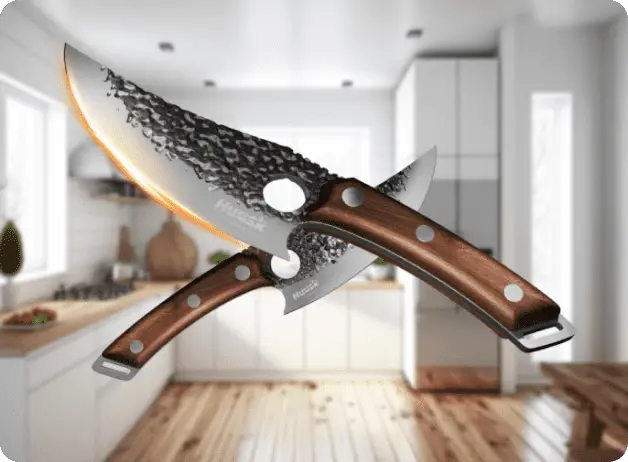
Discover the Kitchen Tool Everyone Is Raving About!
- • Precision Engineered: Sharp blade with durable craftsmanship.
- • Comfort First: Ergonomic design for effortless slicing.
- • Stylish & Strong: Elegant wood handle meets stainless steel strength.
- • Risk-Free Pick: Thousands of happy home chefs can’t be wrong.
- • Today’s Deal: Just $29.95 instead of $99.85 — limited-time offer!
This post may include affiliate links — learn more here .
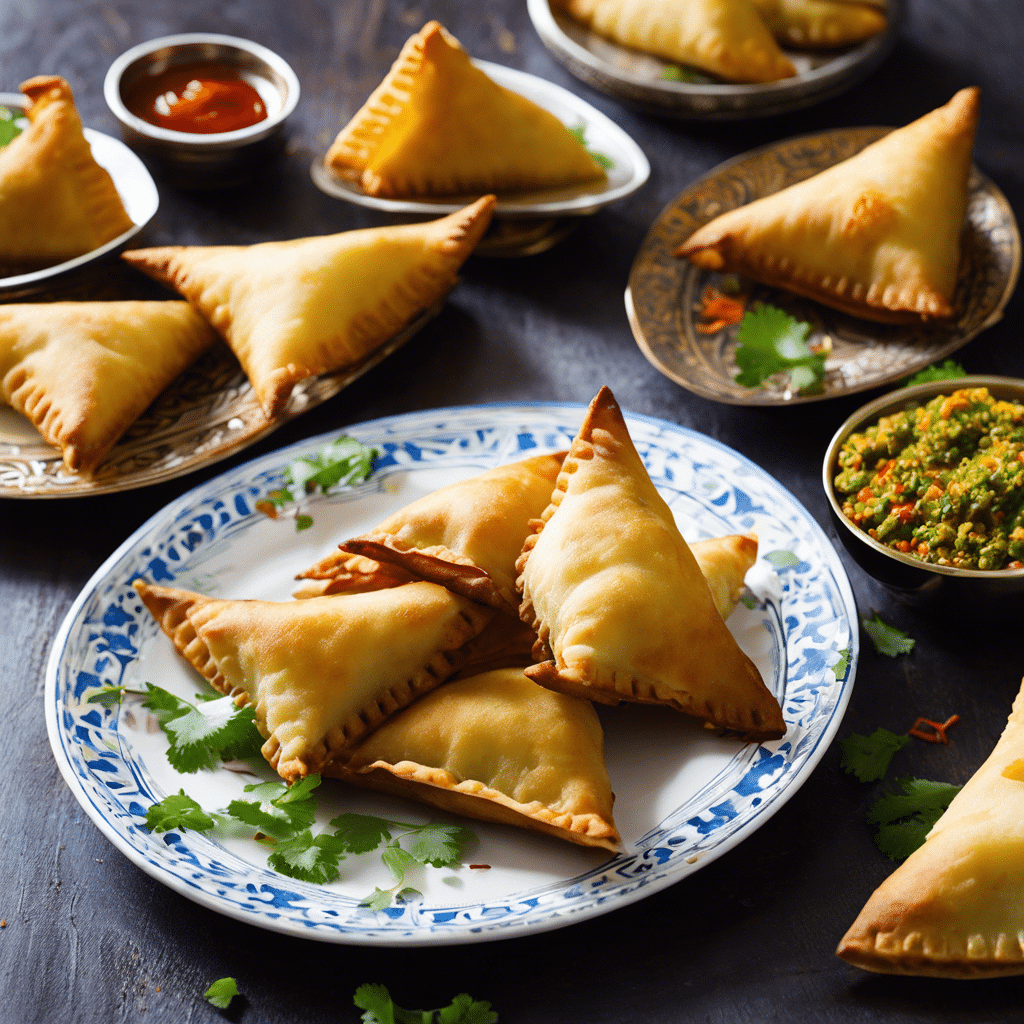
Samosas have long been a beloved snack across many cultures, particularly in South Asia, where they likely originated. These crispy, golden pyramids of pleasure are often filled with a savory mixture of spiced potatoes or meat, delighting taste buds with their rich and complex flavors. In recent years, samosas have gained international fame, now gracing menus from street food stalls to high-end restaurants worldwide. Their popularity can be attributed not only to their delicious taste but also to their versatility, as they can be filled with a variety of ingredients and served as an appetizer, snack, or even a main course.
The art of making samosas involves a delicate balance of ingredients and spices. The outer shell, typically made from a dough of all-purpose flour, water, and a pinch of salt, must be rolled out to the perfect thickness. Too thin, and the samosa will not hold its shape; too thick, and it becomes chewy rather than crispy. The filling, on the other hand, is where creativity comes into play. Traditional potato fillings are mixed with an aromatic blend of spices such as cumin, coriander, and garam masala, while meat variations might include minced lamb or chicken seasoned with similar spices. The key is to achieve a harmonious blend that tantalizes the palate without overpowering it.
Frying samosas is an exercise in precision. The oil must be at the right temperature to ensure the samosas cook evenly and achieve that characteristic crunch. If the oil is too hot, the outside will burn while the inside remains undercooked; if too cool, the pastry will absorb excess oil, leading to a greasy texture. When done correctly, the result is a perfectly crispy exterior that gives way to a warm, flavorful filling. Many home cooks and chefs alike have their own secret techniques for achieving the ideal fry, often handed down through generations.
Beyond their culinary appeal, samosas have cultural significance as well. In many South Asian households, they are a staple at festive occasions and family gatherings. Preparing samosas can be a communal activity, bringing together family members of all ages to share in the process and the enjoyment of the finished product. Additionally, samosas have made their way into the street food scene, a testament to their adaptability and widespread appeal. Whether enjoyed fresh from a street vendor in Delhi or as a sophisticated appetizer in a New York restaurant, samosas encapsulate a sense of tradition and community.
Despite their roots in South Asian cuisine, samosas have undergone numerous adaptations as they spread globally. In the Middle East, you might find samosas filled with cheese or lentils, while in Africa, variations include fillings like spiced beef or fish. This adaptability has allowed the samosa to transcend cultural boundaries and become a beloved snack around the world. Whether you prefer the classic potato filling or a modern twist, there’s no denying the universal appeal of this humble pastry. The samosa’s journey from its origins to global fame is a testament to the power of food to unite people across diverse backgrounds, reminding us that while ingredients may vary, the joy of sharing a delicious meal is a universal experience.